The modern closet is undergoing an intellectual reckoning. Decades of hyper-accelerated fast-fashion trends have flooded wardrobes with microplastic-shedding polyesters, paper-thin acrylic sweaters, and garments engineered to lose their shape after three washes. What once felt like abundant choice now reads as visual noise and quiet fatigue every morning.
The antidote is not deprivation; it is material connoisseurship. By understanding textile provenance, weave architecture, and garment construction, dressing becomes an act of daily pleasure, ease, and environmental stewardship. A high-mileage capsule wardrobe built on unadulterated natural fibers does not merely look more refined—it ages with dignity, regulates body temperature effortlessly, and lowers your cost-per-wear to pennies over a decade.
The Biological Intelligence of Natural Fibers
Synthetic blends are engineered to imitate luxury on a brightly lit showroom hanger, yet they trap heat, harbor odor-causing bacteria, and release thousands of plastic microfibers with every wash cycle. Natural organic fibers possess a structural intelligence refined over millennia:
- European Normandy Linen: Spun from long-staple flax grown in the temperate coastal belt of France and Belgium, linen fibers feature natural hollow cores that wick moisture and breathe effortlessly in summer humidity. Because flax thrives on rainwater with virtually no synthetic pesticides, it carries one of the lowest ecological footprints in textiles—and its hand feel grows softer and more luminous with every gentle laundering.
- Traceable ZQ-Certified Merino Wool: Naturally thermoregulating, moisture-wicking, and inherently antimicrobial, high-grade superfine merino (17.5 to 18.5 microns) resists odor so effectively that garments can be worn repeatedly between washes with simple airing. It drapes cleanly in both fine-gauge knitwear and year-round tropical wool tailoring.
- Raw Mulberry & Habotai Silk: Silk acts as an adaptive microclimate against the skin, offering lightweight insulation beneath winter layers and a cool, frictionless glide in warmer months. Its natural sericin and fibroin proteins reduce static cling and resist irritation on sensitive skin.
- Long-Staple Organic Cotton & Hemp: When woven into substantial poplin, Oxford cloth, or undyed selvedge twill, long-staple cotton and bast-fiber hemp deliver crisp structure and remarkable abrasion resistance without relying on elastane blends that eventually sag and prevent circular recycling.
Comparing Core Capsule Textiles
Selecting the right fiber for each garment category determines how gracefully your wardrobe performs across climates and years.
| Fiber | Optimal Weight / Grade | Best Garment Roles | Laundering Cadence | Expected Lifespan |
|---|---|---|---|---|
| Normandy Flax Linen | 180–240 GSM | Shirts, relaxed trousers, summer blazers | Cold wash every 3–4 wears | 10–15+ years |
| Superfine Merino Wool | 17.5–18.5 micron | Base knits, tailored trousers, coats | Air after wear; hand-wash seasonally | 10–20 years |
| Grade-6A Mulberry Silk | 19–22 momme | Blouses, slip dresses, layering scarves | Steam between wears; gentle hand-wash | 8–12 years |
| Long-Staple Organic Cotton | 160–220 GSM (tees/shirting) | Crisp button-downs, heavyweight tees | Cold wash; line dry | 6–10 years |
| Full-Grain Vegetable-Tanned Leather | 1.4–2.0 mm hide | Goodyear-welted footwear, belts, totes | Brush weekly; condition quarterly | 15–30+ years |
The 24-Piece Foundation Formula
A genuinely versatile wardrobe does not require hundreds of garments; it requires interoperability. When you anchor your palette in four cohesive neutrals—such as warm ivory, deep spruce green, rich camel, and charcoal—nearly every top pairs intuitively with every trouser and outer layer:
- Outerwear (3 Pieces): An unstructured double-faced wool overcoat, a weather-resistant waxed organic cotton field jacket, and a half-lined tailored linen or hopsack wool blazer.
- Knitwear (4 Pieces): A substantial four-ply cashmere or brushed wool crewneck, a fine-gauge merino turtleneck for sleek layering, an open-collar linen-cotton knit polo, and a midweight carded wool cardigan.
- Tops & Shirts (7 Pieces): Two crisp organic poplin button-downs in chalk white and pale sky, two relaxed collarless linen tunics, two heavyweight long-staple cotton tees, and one 22-momme silk camp-collar shirt.
- Trousers & Bottoms (5 Pieces): High-rise double-pleated tropical wool trousers in charcoal and taupe, raw or undyed selvedge cotton denim, wide-leg heavyweight linen drawstring trousers, and a structured wool-silk midi skirt or tailored chino.
- Footwear (5 Pairs): Resoleable Goodyear-welted leather derbies or loafers, minimalist calfskin sneakers, weather-treated suede Chelsea boots, hand-woven leather sandals, and shearling-lined house slippers.
A 4-Step Audit to Transition Without Waste
Building a slow wardrobe is a deliberate architectural process, not an afternoon shopping spree. Follow this phased framework over six to twelve months:
Step 1: Conduct a 30-Day Wear Log
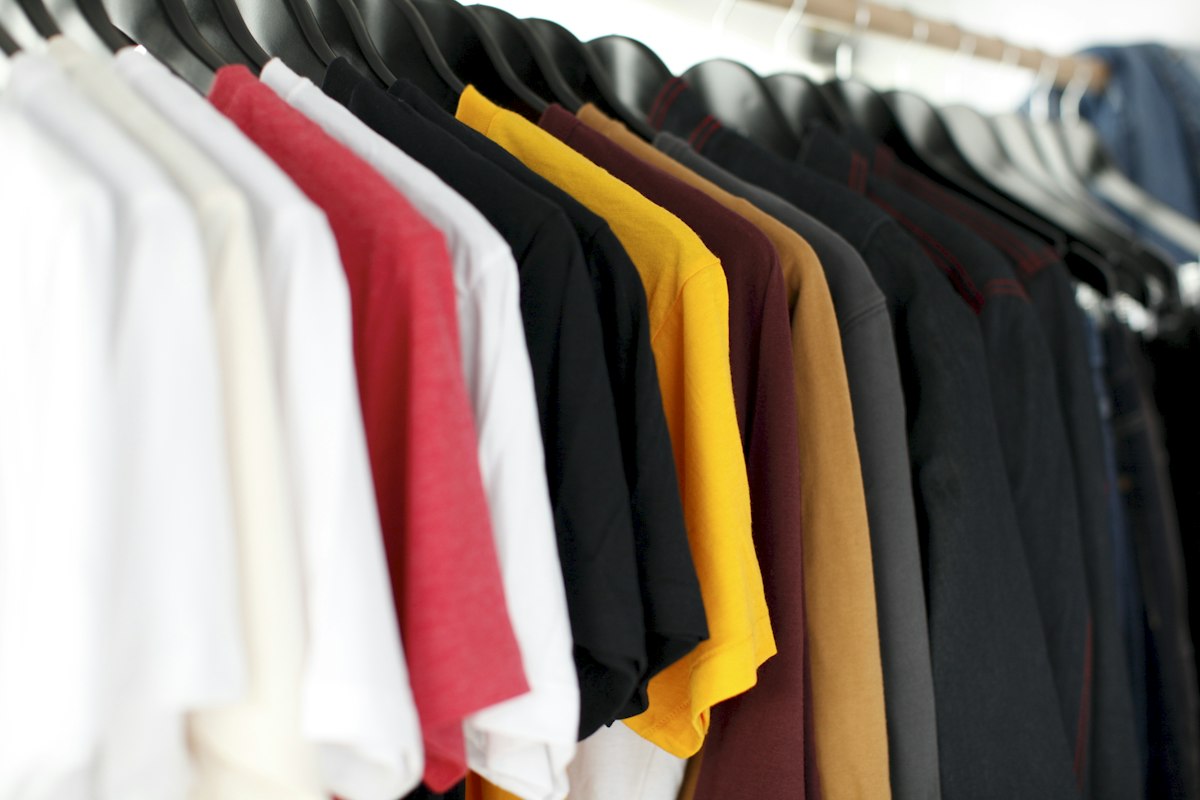
Turn every hanger in your closet backward at the start of the month. Each time you wear a garment, return the hanger facing forward. At the end of 30 days, you will have objective data on the silhouettes, weights, and color registers you genuinely reach for—not the aspirational identity you shop for.
Step 2: Audit Fabric Labels and Seam Architecture
Separate pure natural fibers from synthetic blends. Notice which garments pill at the underarms, trap perspiration, or lose drape by midday. Prioritize replacing your highest-frequency friction points first: everyday shirting, core trousers, and primary knitwear.
Step 3: Buy for Fabric Weight and Tailoring Margin
When acquiring a replacement piece, inspect the interior before the exterior. Look for natural corozo or horn buttons, locked buttonholes, French or Hong Kong bound seams, and generous hem allowances. Budget 10% to 15% of every acquisition for a skilled local tailor—a mid-priced pure wool trouser tailored precisely to your posture outperforms an ill-fitting designer piece every time.
Step 4: Build a Seasonal Rotation Archive
Store off-season woolens and linens cleanly folded in breathable unbleached cotton bags with sanded cedar blocks. Rotating a focused rail of 20 to 24 active pieces keeps morning decisions serene and prevents overcrowding that crushes natural drape.
“True luxury is never loud. It is the quiet assurance of an unbleached linen collar softening against the collarbone, and a wool coat whose silhouette still commands a room fifteen winters after its first wear.” — Elena Vance
Common Mistakes That Undermine a Capsule Wardrobe
Even thoughtful buyers frequently stumble during the shift toward slow fashion. Guard against these four pitfalls:
- Over-indexing on minimalism at the expense of texture: An all-neutral palette falls flat if every piece shares the same smooth finish. Pair nubby raw silk, brushed merino, crisp poplin, and dry-hand linen so tonal outfits feel rich and dimensional.
- Ignoring fabric GSM and ply: Not all natural fibers are equal. A single-ply, ultra-thin cashmere sweater will pill and develop holes within one season; a tightly spun two- or four-ply knit costs slightly more upfront and lasts a decade.
- Over-washing delicate textiles: Mechanical agitation and high-heat tumble drying destroy cellulose and protein fibers faster than actual wear. Most outerwear, denim, and woolens require only occasional airing and targeted steaming.
- Buying for an imaginary lifestyle: Never allocate half your capsule to formal tailoring if 80% of your week is spent in a creative studio or working from home. Proportion your 24 pieces strictly to how you live today.
Maintenance as a Mindful Ritual
Caring for fine natural garments transforms domestic upkeep into a tactile, grounding rhythm. Invest in three humble tools: a horsehair garment brush to lift surface dust from woolens, a handheld garment steamer infused with distilled water, and wooden cedar shoe trees that absorb moisture and preserve leather vamps overnight.
Air merino knits on a shaded balcony after wear, launder linen cold with pH-neutral plant detergent, and learn the simple art of re-securing a loose button or darning a cuff. When you tend to textiles crafted from living fibers, your wardrobe stops being a disposable inventory and becomes an enduring personal archive.